Creating a beautifully decorated open concept living room may seem daunting at first, but with thoughtful planning and strategic design, it becomes a fulfilling and rewarding project. When asking how to decorate an open concept living room, the key is understanding how to maximize flow, define zones, and imbue your space with personality while maintaining harmony. Open-concept layouts are inherently versatile, offering a spacious framework that encourages creative expression and functional living. This comprehensive guide will explore each aspect of decorating an open-plan living area, empowering you to craft a space that’s both stylish and practical.
Maximizing Flow and Function: Decorating Your Open Concept Living Room
In an open concept living room, the flow of movement is paramount. Good decor enhances this flow by ensuring pathways remain unobstructed while creating an inviting environment. To maximize flow, consider placing furniture in a way that intuitively guides guests through the space without cluttering walkways. Think of your living area as a fluid arrangement—each piece should complement rather than compete, allowing movement to feel natural and effortless, like a well-choreographed dance.
Functionality is equally crucial. Select multi-purpose furniture such as storage ottomans or sofa beds that serve dual roles—offering both style and practicality. Incorporating flexible furniture arrangements can also help adapt the space to different needs, whether hosting a large gathering or enjoying quiet family evenings. When decorating your open concept living room, balance aesthetics and usability, emphasizing how each element contributes to an inclusive, harmonious environment.
Defining Zones: Creating Distinct Spaces in an Open Living Area

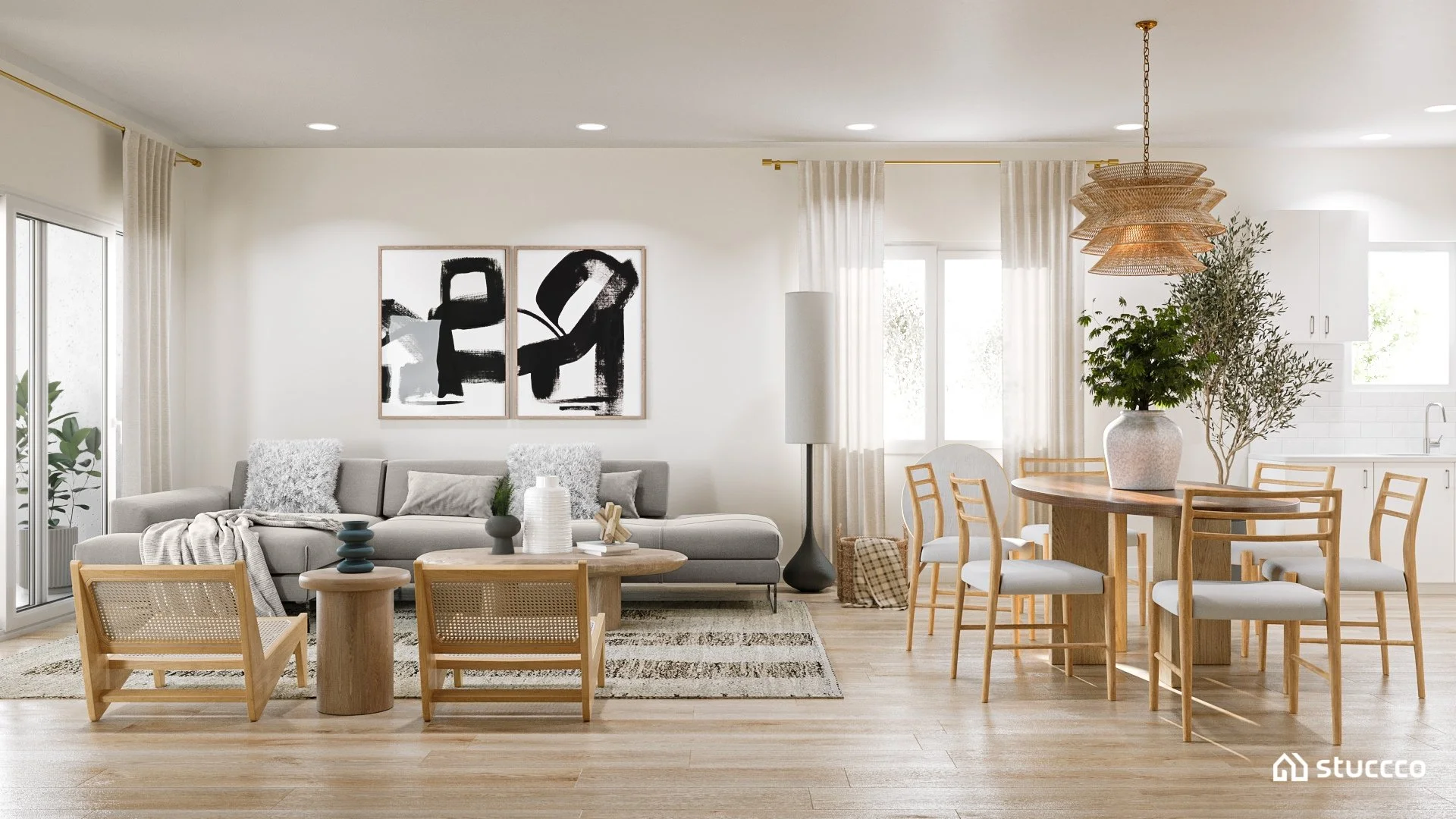
While open layouts offer a sense of spaciousness, clearly defining zones helps create functional areas suited to various activities. Use strategic furniture placement to delineate zones without erecting physical barriers—think of subtle partitioning through rugs, furniture arrangement, or even color contrasts. For example, positioning a sofa and a pair of armchairs around a coffee table can designate a cozy seating area, while a console table or a bookshelf can subtly mark the boundary of a dining space.
Creating distinct zones not only enhances usability but also adds visual interest. When decorating, consider each zone as its own mini-world, with decor elements that reflect their purpose. Using different lighting, color schemes, or decorative accessories can help distinguish spaces while maintaining overall cohesion. This method ensures your open living space feels intentionally designed, inviting interaction and comfort within a unified aesthetic.
The Power of Rugs: Anchoring and Dividing Your Open Concept Living Room

Rugs are powerful tools in an open concept living room—they ground your furniture arrangements and define specific zones. A well-chosen rug anchors a seating area, making it feel intimate amidst a sprawling layout. Additionally, different rugs in surrounding zones can visually separate spaces without the need for walls, maintaining openness while establishing distinct areas.
When selecting rugs, consider size, color, texture, and pattern to complement your overall decor scheme. For instance, a large, neutral rug under the sofa can serve as a versatile foundation, while brighter or patterned rugs can add pops of color or visual interest in dining or entry zones. Layering rugs can add depth and personality, but avoid overwhelming the space with too many competing patterns or textures. Thoughtfully chosen rugs serve both functional and aesthetic purposes, making your open concept truly come together.
Furniture Selection: Choosing the Right Pieces for an Open Layout

Furniture choices greatly influence the flow, comfort, and style of your open living room. Because space is more visible and accessible, selecting pieces that are proportionate to the room’s scale is essential. Opt for streamlined, multi-functional furniture that supports your lifestyle—sofa beds, nesting tables, or modular seating options can optimize space without cluttering.
Personal style should guide your selection as well, balancing trend and timelessness. Mixing materials like wood, metal, or glass can add texture and visual interest, creating layers of style that aren’t overwhelming. When decorating your open space, remember to consider the weight and height of your furniture—lighter pieces allow for easier movement and flexibility. Ultimately, the goal is to create a harmonious layout where each piece works together to foster comfort and coherence.
Color Palette Considerations: Harmonizing Your Open Concept Living Space

Color plays a pivotal role in shaping the mood and flow of an open concept living room. A balanced palette facilitates cohesion across various zones, preventing the space from feeling chaotic or disconnected. Light, neutral tones like whites, beiges, or soft grays can make the space feel larger and more open, providing a subtle backdrop for accent colors and decor accents.
Adding pops of color through accessories like throw pillows, artwork, or curtains introduces personality without overwhelming the senses. Conversely, darker hues lend depth and sophistication, especially when balanced with lighter furniture or metallic accents. When decorating your open concept, aim for a harmonious interplay between shades—think monochromatic schemes or analogous color combinations—that enhance unity and make transitions between zones seamless and visually appealing.
Lighting Strategies: Illuminating and Defining Your Open Floor Plan
Lighting is crucial not only for visibility but also for creating ambiance and defining zones within an open space. Layered lighting—combining ambient, task, and accent lighting—offers flexibility and visual interest. Ceiling fixtures like chandeliers or pendant lights can serve as focal points, while recessed lighting and wall sconces enhance overall brightness.
Use lighting to highlight specific areas—such as a cozy reading nook or an art display—thus subtly delineating spaces without physical barriers. Dimmer switches increase control over mood, making your open living room adaptable for different occasions. Thoughtful lighting design draws attention to architectural features, adds depth, and fosters intimacy, transforming everyday spaces into inviting environments that reflect your style.
Accessorizing with Intention: Adding Personality to Your Open Concept Living Room

Decorative accessories personalize your space and breathe life into your decor scheme. Carefully curated artwork, vases, books, and decorative objects can tell a story about your personality and interests. When decorating an open concept, choose accessories that complement the overall color palette and style, ensuring they unify the various zones rather than fragmenting them.
Balance is key—avoid cluttering surfaces or overloading one area while neglecting others. Incorporate textiles like throw pillows and blankets to add texture and comfort, and consider statement pieces that serve as focal points. Thoughtful accessorizing transforms an open layout from a blank canvas into a reflection of who you are, resonating with warmth and personality.
Storage Solutions: Maintaining a Clutter-Free Open Living Area

One of the biggest challenges in decorating an open concept living room is maintaining clean, organized spaces. Effective storage solutions—such as stylish shelves, ottomans with hidden compartments, and built-in cabinetry—help reduce visual clutter. Modular furniture with integrated storage offers flexibility and helps keep essentials out of sight while remaining accessible.
Design your storage to blend seamlessly with your decor—choose cabinetry and shelving that match your overall aesthetic. Adding decorative baskets or boxes can organize smaller items and keep surfaces tidy. An uncluttered open space feels more expansive and inviting; therefore, smart storage is an investment in both practicality and aesthetic appeal.
Open Concept Decorating on a Budget: Affordable Ideas for Style and Function

Creating an elegant open concept living room doesn’t have to be expensive. Focus on strategic, budget-friendly updates like updating throw pillows, repositioning furniture for better flow, or adding DIY artwork. Thrift stores and online marketplaces are treasure troves for unique furniture pieces and decor accents that can add character without breaking the bank.
Enhance the space with inexpensive textiles such as curtains, rugs, or decorative throws to bring together different zones and add warmth. Simple upgrades like fresh paint in cohesive shades or updated lighting fixtures can dramatically transform the look and feel of your open living space. Creativity combined with resourcefulness allows you to achieve style and function even on a limited budget.
Avoiding Common Mistakes: Open Concept Living Room Decorating Do’s and Don’ts

One of the most important aspects of decorating an open concept is recognizing what to avoid. Overcrowding furniture can block pathways and diminish the sense of spaciousness, so prioritize keeping a balance between comfort and openness. Similarly, mismatched or chaotic decor elements can disrupt visual flow; instead, aim for cohesion and intentionality in your choices.
Ignoring lighting or neglecting zones can lead to a space that feels disjointed or poorly functioning. Focus on layered lighting and zone definition to create a warm and inviting atmosphere. Lastly, failing to incorporate personal touches can make the space feel generic—so inject your personality through artwork, accessories, or color choices. Learning from these common pitfalls ensures your open concept living room will be both stylish and inviting.
Conclusion
Decorating an open concept living room is a rewarding journey that requires careful planning, thoughtful design, and an understanding of spatial dynamics. From maximizing flow and defining zones to choosing the right furniture, colors, lighting, and accessories, each element plays a vital role in crafting a cohesive, functional, and stylish space. Incorporating smart storage solutions and budget-friendly ideas further enhances your environment, while avoiding common mistakes ensures your decor remains balanced and inviting. By approaching your open plan layout with intention and creativity, you can create a space that reflects your personality and serves your lifestyle seamlessly.


