Decorating a combined living room and dining area can be a rewarding yet challenging task that requires a careful balance of style, comfort, and utility. Many homeowners and renters seek to maximize their space while ensuring each zone maintains its unique personality without feeling disconnected. If you’re wondering how to decorate a living room and dining room combo to create a harmonious and inviting environment, you’re in the right place. This comprehensive guide will walk you through thoughtful design principles, practical tips, and inspiring ideas to elevate your space into a seamless blend of comfort and elegance. Whether dealing with a compact apartment or a spacious open-plan layout, understanding how to approach this decorating journey is essential for making your home reflect your personality while functioning efficiently.
Creating Harmony: Decorating a Shared Living and Dining Space

Achieving visual and functional harmony in a combined living and dining area hinges on understanding proportion, style consistency, and aesthetic flow. The first step in how to decorate a living room and dining room combo involves selecting a unifying theme or color palette that naturally ties both zones together. For instance, using shades of a single color or complementary tones creates a sense of cohesion, making the space feel larger and more intentional. Incorporating recurring motifs, such as patterns or textures, helps reinforce this harmony, ensuring each area complements rather than competes with the other.
Moreover, the key to creating an inviting space lies in balancing openness and intimacy. You want to foster a fluid environment where movement feels natural and spaces do not feel cramped or disjointed. Integrating elements like a consistent flooring material, matching or coordinated upholstery, and cohesive decor accessories anchors both zones visually. From a design perspective, arranging furniture to promote interaction—such as positioning the sofa facing the dining table—encourages a social flow that invites conversation across zones. Ultimately, understanding how to decorate a living room and dining room combo involves curating a space that visually and practically melds these areas into a unified, welcoming sanctuary.
Maximizing Functionality: Design Principles for Living Room/Dining Room Combos

When decorating a multifunctional space, functionality must be at the forefront. Practical design principles—such as defining clear pathways, selecting versatile furniture, and implementing storage solutions—are essential in optimizing your area’s usability. Proper zoning allows you to dedicate specific regions for relaxation and dining while maintaining an overall open feel. For example, placing the seating arrangement in a way that facilitates conversation and viewing pleasure can define the living zone without blocking access to the dining area, which might be positioned adjacent or behind.
In addition, choosing furniture with multiple uses can significantly enhance practicality. Consider an extendable dining table that adapts to gatherings of different sizes or a sectional sofa with hidden storage compartments. Small-space dwellers should focus on furniture that maximizes seating without cluttering the area. When approaching how to decorate a living room and dining room combo, remember that smart layout choices impact everyday comfort and long-term usability. Prioritizing ergonomics, ample surface space, and accessible storage solutions will help maintain order and ease of movement in an integrated environment.
Defining Zones: Visual Separation Techniques for Blended Spaces

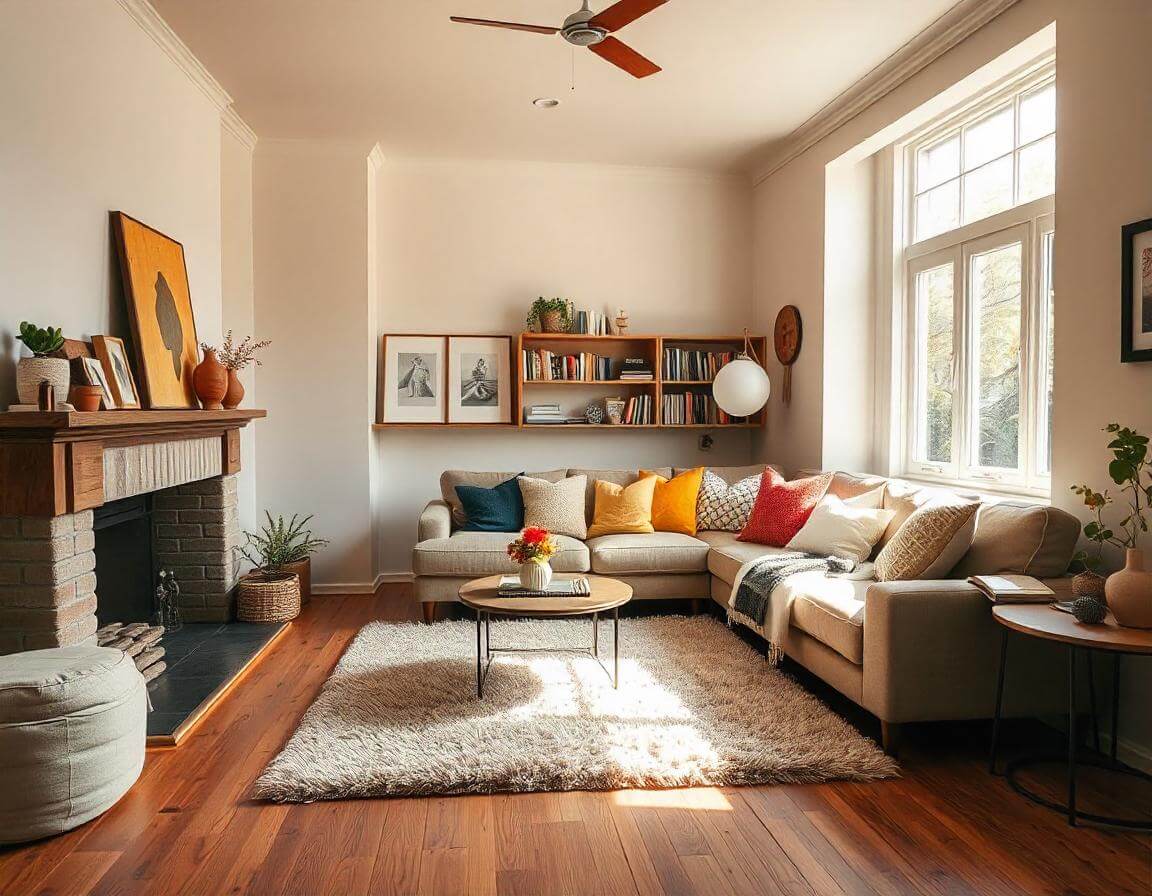
Creating distinct zones within a shared living and dining area may seem counterintuitive but is crucial for maintaining clarity and functionality. Visual separation without sacrificing openness can be achieved through various creative techniques. Area rugs are one of the most effective tools, anchoring each zone and adding texture and warmth. For example, a bold, patterned rug under the dining table can visually delineate that space from the surrounding seating, which rests on a complementary or contrasting rug.
Another approach involves using furniture placement and spatial arrangement strategies. Placing a sofa or a bookcase strategically to act as a subtle barrier between zones helps define areas while still allowing sightlines and interaction. Alternatively, ceiling-mounted light fixtures or pendant lamps positioned over specific zones can draw attention and create a sense of purpose for each space. When learning how to decorate a living room and dining room combo, think about how the placement of key elements—such as the sofa, dining table, and lighting—can serve as visual cues, establishing clear yet seamless boundaries that enhance the overall flow of your home.
Color Palette Coordination: Achieving Flow and Cohesion
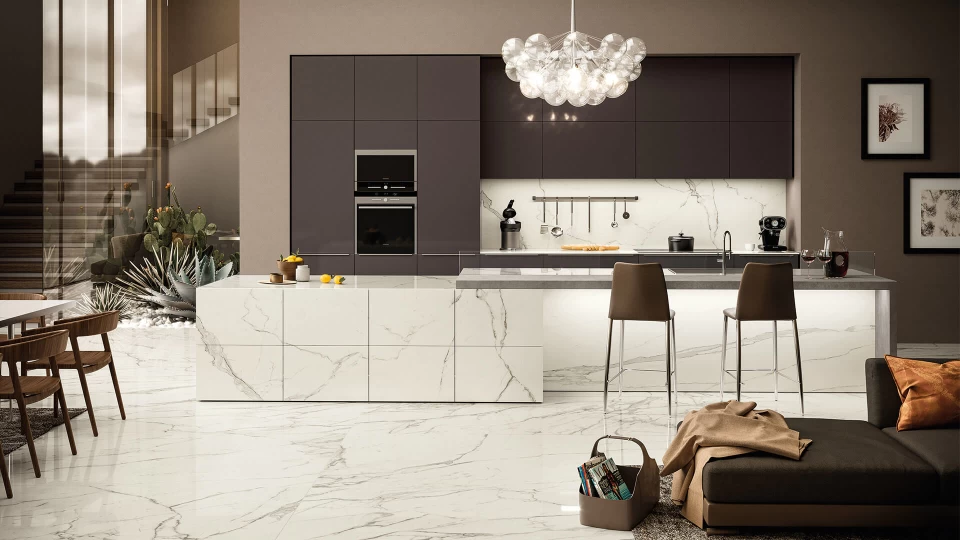
Color coordination plays a pivotal role in tying together separate zones within a shared space. To achieve flow and cohesion, selecting a harmonious color palette that spans the entire area is essential. Neutral tones such as beige, gray, or off-white serve as a backdrop that allows accent colors to stand out without overwhelming the eye. Monochromatic schemes or analogous colors—those adjacent on the color wheel—are particularly effective for blending living and dining spaces smoothly.
Incorporating splashes of color through accessories like cushions, artwork, or tableware adds personality without disrupting harmony. Moreover, utilizing consistent finishes—such as matte or glossy surfaces—for furniture and decor can further unify the aesthetic. When considering how to decorate a living room and dining room combo, remember that a balanced color strategy ensures visual continuity, making the transition between zones feel effortless and inviting. The right palette not only enhances mood but also provides a flexible foundation for evolving decorating styles over time.
Furniture Selection: Optimizing Space and Style

Choosing the right furniture is the cornerstone of a successful decorated living and dining combo. It’s vital to select pieces that balance style and function while considering available space. Slim-profile sofas, compact coffee tables, and multi-purpose storage units are excellent options for complementing smaller areas, ensuring each piece serves a dual purpose without cluttering the space. When selecting dining tables, consider extendable versions that accommodate both intimate dinners and larger gatherings effortlessly.
In terms of style, consistency helps create a cohesive look. Whether you gravitate toward modern minimalism, rustic charm, or eclectic vibrancy, keeping furniture lines and finishes in harmony will unify the space visually. Also, scale matters: oversized furniture can overwhelm a compact room, while smaller furnishings might make a spacious room feel sparse. When contemplating how to decorate a living room and dining room combo, focus on the proportionality and thoughtful arrangement of each piece to foster both comfort and style, making every inch count.
Lighting Strategies: Illuminating a Dual-Purpose Area

Lighting is an often-overlooked aspect that profoundly influences the ambiance and functionality of a combined living and dining space. Layered lighting schemes—comprising ambient, task, and accent lighting—offer flexibility and mood-setting capabilities. Overhead ceiling fixtures, such as chandeliers or pendant lamps, can anchor the dining zone, providing ample illumination for meals and gatherings. For the living area, floor lamps and table lamps create cozy corners suitable for relaxation and socialization.
Smart lighting solutions also include adjustable dimmers and smart bulbs, allowing you to change the mood according to the occasion. Visual focal points, like artwork or architectural features, can be highlighted through accent lighting, adding depth and character. When exploring how to decorate a living room and dining room combo, remember that well-planned lighting not only enhances aesthetics but also improves practicality, ensuring every part of your space is well-lit and comfortable for various activities.
Accessorizing for Success: Adding Personality and Practicality
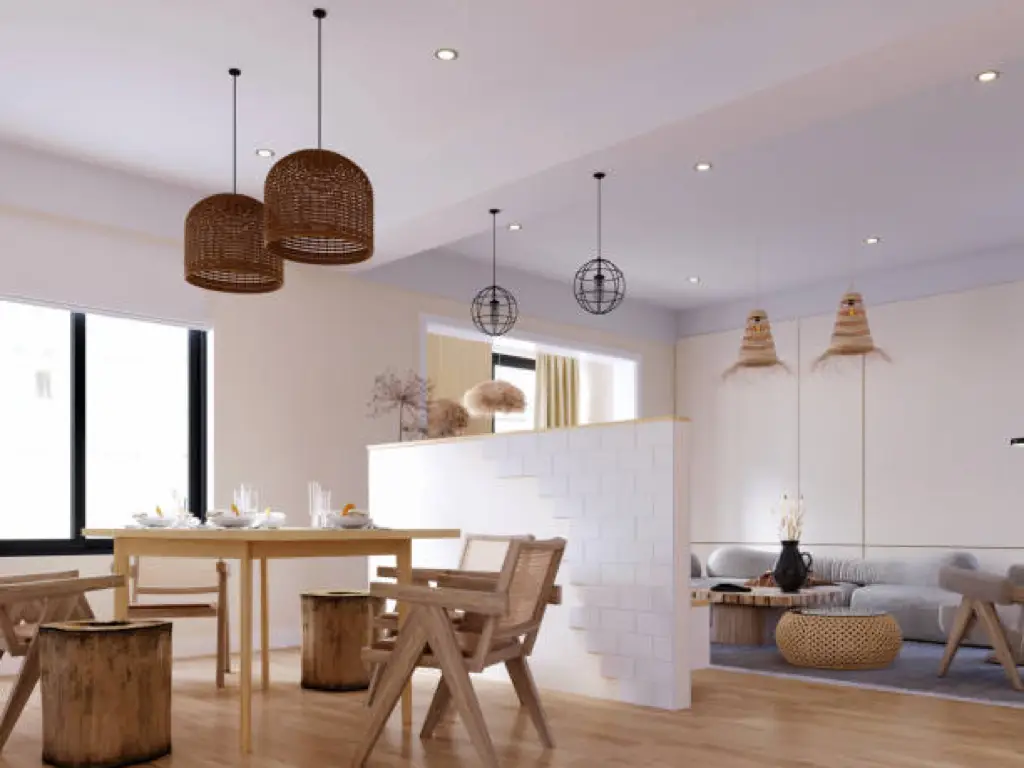
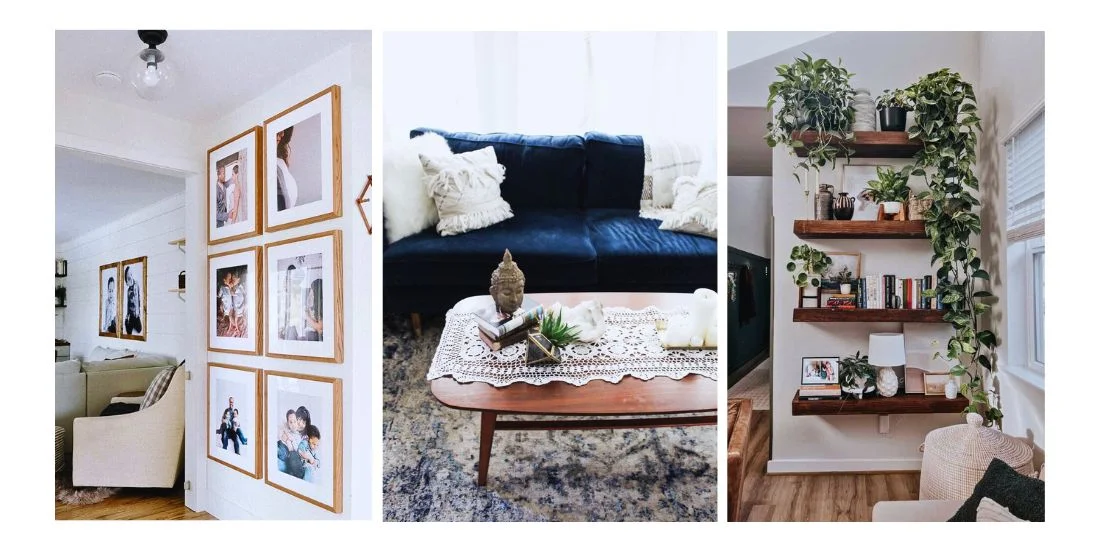
Decor accessories breathe life into your shared space, allowing you to infuse personality, style, and practicality into your designs. Carefully curated artworks, decorative pillows, vases, and tableware can personalize your environment and create visual interest. Additionally, functional accessories such as stylish storage baskets or side tables can keep clutter at bay while enhancing decor appeal.
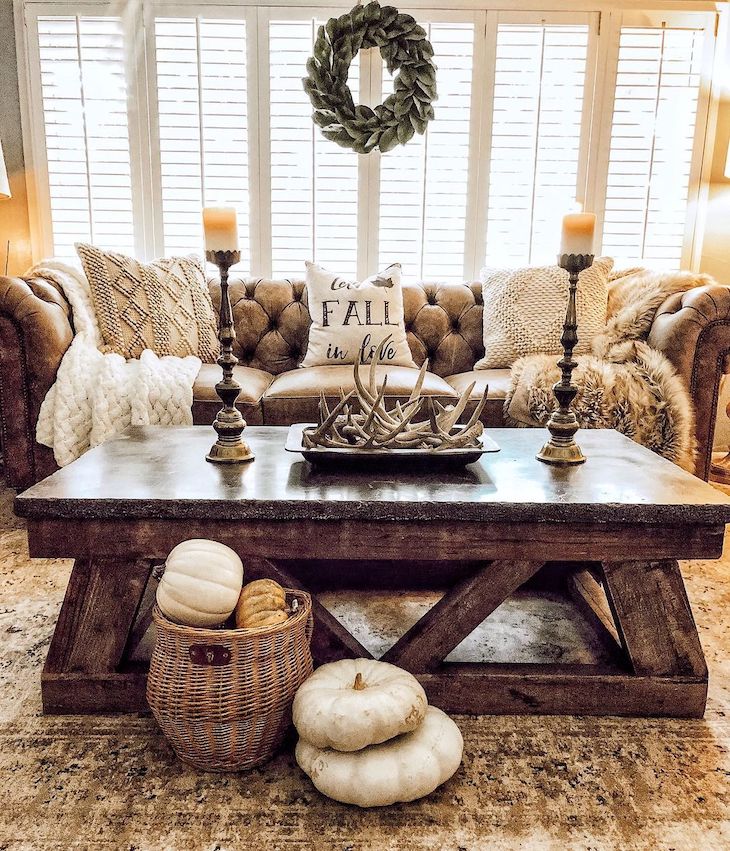
When decorating, innovative accessories can also serve practical purposes. For example, a decorative tray on your coffee table can organize remotes and magazines, while artful curtains or blinds frame your windows and add softness to the overall decor. The key to successful accessorizing in a combined living and dining space is moderation—balance style with utility to prevent the space from feeling overcrowded or chaotic. Strategic, meaningful accessories make the difference between a generic environment and a home filled with charm and personality.
Budget-Friendly Decorating: Affordable Ideas for Combined Spaces
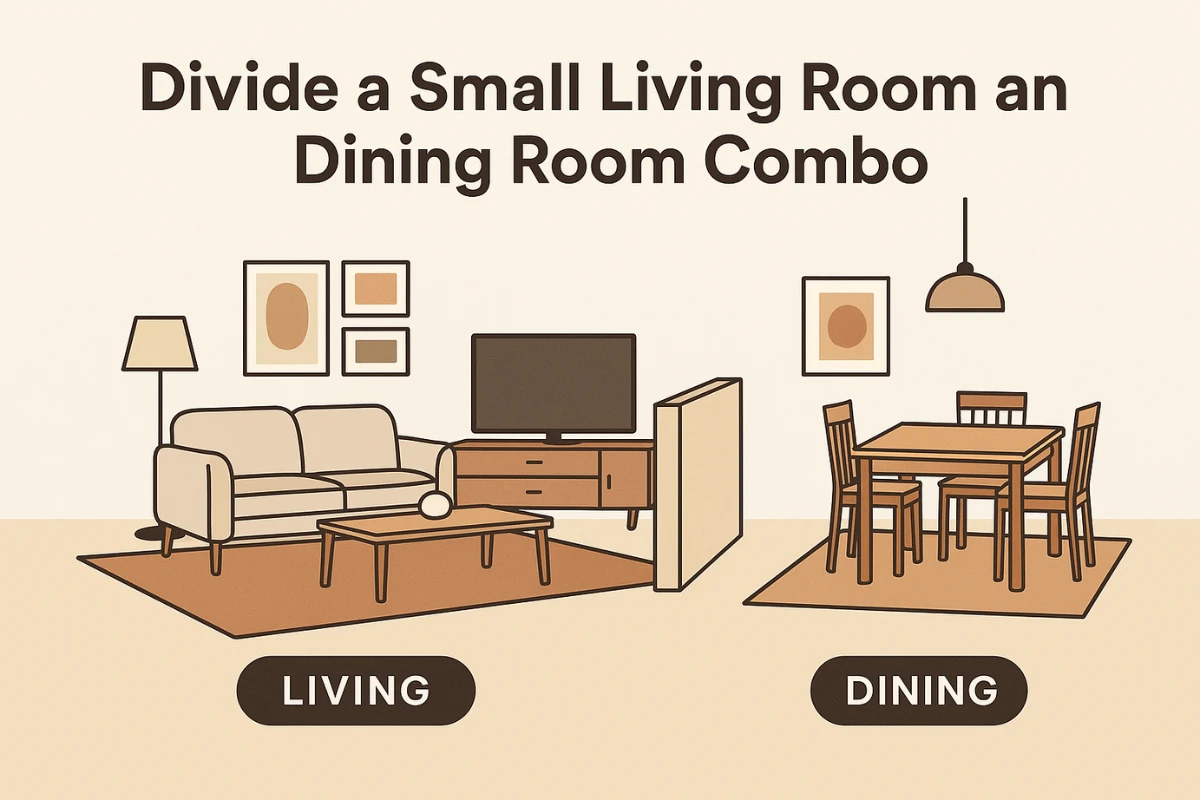
Transforming a living and dining area on a budget requires creativity more than expense. Start with foundational elements like paint, which can dramatically change the vibe without a hefty price tag. Fresh coats of neutral or trendy colors can set the tone for the entire room and serve as a blank canvas for accessories and furnishings. Thrift stores, flea markets, and online marketplaces offer unique furniture and decor items at a fraction of retail prices.
DIY projects are another goldmine for budget-conscious decorating. Customized art, repurposed furniture, or handmade textiles add personality while saving money. Rearranging existing furniture or switching out accessories seasonally can also refresh the space without major expenditure. When exploring how to decorate a living room and dining room combo affordably, the focus should be on smart selection, creative upcycling, and strategic shopping—proving that style does not have to come with a hefty price tag.
Common Design Mistakes: Avoiding Pitfalls in a Living/Dining Combo

One common pitfall in decorating a shared living and dining space is overcrowding—filling the room with too many furniture pieces or accessories, which hampers movement and creates visual chaos. In such cases, every piece should have a purpose, and negative spaces are as important as functional zones. Another mistake is inconsistent style or color schemes, which can fragment the space rather than unify it. Cohesion is essential for a seamless look that feels thoughtfully curated.
Furthermore, neglecting lighting or ignoring proportions can lead to uncomfortable, inefficient environments. Poor lighting can make the space feel dull or cramped, while mismatched furniture sizes can distort the room’s balance. Ultimately, awareness of these pitfalls and intentional planning—focused on smooth flow, harmony, and practicality—transforms a potential design maze into an inviting, cohesive home. Properly avoiding these mistakes elevates your decorating journey and ensures your shared space is both beautiful and functional.
Transforming Your Space: Before-and-After Inspiration for Living/Dining Combos

Witnessing transformations can be incredibly motivating and inspiring when learning how to decorate a living room and dining room combo. Starting with a cluttered, mismatched space and ending with a stylish, unified environment demonstrates the power of thoughtful planning and personal touches. For instance, replacing outdated furnishings with sleek, multi-functional pieces instantly modernizes the area, while a fresh coat of paint can brighten and enlarge the space.
Incorporate statement lighting fixtures or layered decor to add character, and define zones clearly with rugs or furniture placement. Adding artwork or decorative objects that reflect your personality can anchor the style and make the space uniquely yours. These transformations serve as a reminder that a balanced mix of color, light, and accessories, combined with strategic furniture choices, can elevate your living and dining combo into a magazine-worthy haven. Ultimately, each transformation is a testament to what careful planning and creative vision can achieve.
Conclusion
Decorating a living room and dining room combo requires a blend of aesthetic sensitivity, practical planning, and creative ingenuity. By establishing harmony through consistent color palettes and cohesive design themes, maximizing functionality with versatile furniture, and defining zones with visual cues like rugs and furniture placement, you craft a space that feels both welcoming and efficient. Thoughtful lighting, accessorizing, and budget-conscious decisions further refine the environment, transforming it from an ordinary area into an extraordinary, personalized retreat. Avoiding common pitfalls ensures your design remains balanced and balanced, while inspiring before-and-after transformations remind us that even small changes can profoundly impact a space. With patience and imagination, your shared living and dining space can become a stunning, functional masterpiece that truly reflects your lifestyle and tastes.